
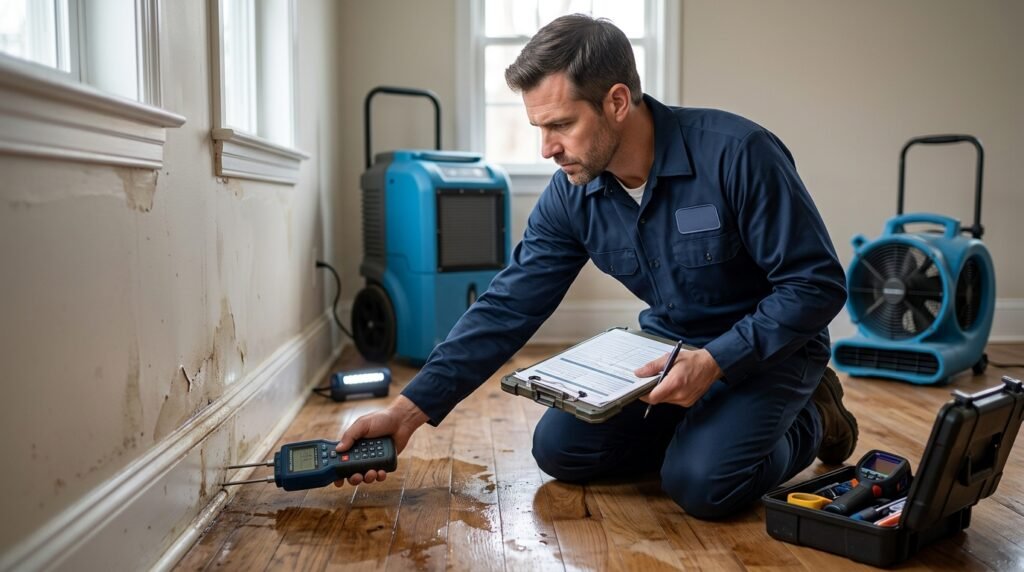
The cost of water damage is one of the biggest concerns for homeowners dealing with leaks, flooding, or burst pipes. Water damage is not only stressful but can also become very expensive if not handled quickly. A small leak under a sink may seem minor at first, but if it goes unnoticed for weeks, it can damage cabinets, floors, and drywall. In more severe situations, flooding or pipe bursts can lead to thousands of dollars in repair costs within a short time.
Understanding the cost of water damage is important for every homeowner because repair expenses can vary widely. It depends on how severe the damage is, how quickly you detect it, and which areas of your home are affected. Along with repair costs, homeowners should also understand water damage insurance coverage and how their policy may help pay for repairs. Knowing what your insurance covers, and what it does not can make a big difference when unexpected damage occurs.
In this guide, we explain the average water damage restoration cost, the key factors that affect repair prices, and how insurance can help cover some of these expenses. This information will help you act quickly and make smarter decisions if water damage happens in your home.
What Causes Water Damage in Homes
Before discussing repair costs, it’s important to understand what causes water damage. Different causes lead to different repair needs and costs.
Burst or Leaking Pipes
This is the most common cause. Pipes can burst due to freezing temperatures, corrosion, or high pressure. When this happens, water spreads quickly through walls and floors.
Roof Leaks
Damaged shingles or clogged gutters allow rainwater to enter your home. Over time, this can damage ceilings, insulation, and walls.
Appliance Failures
Washing machines, dishwashers, refrigerators, and water heaters can leak or break. These failures can release a large amount of water inside your home.
Natural Disasters and Flooding
Heavy rain, storms, or flooding can push water into basements and lower levels. This type of damage is often severe and requires professional cleanup.
Average Cost of Water Damage Repair
The water damage restoration cost depends on how serious the damage is and how large the affected area is.
Typical Repair Cost Ranges
- Minor cleanup and drying: $300 to $1,500
- Moderate water damage repair: $1,500 to $5,000
- Major restoration and reconstruction: $5,000 to $15,000 or more
Small leaks may only require drying and minor repairs. But if water spreads into walls, flooring, and insulation, costs increase quickly.
Important tip: The faster you act, the lower your repair cost will usually be.
Factors That Affect Water Damage Repair Costs
Several key factors determine how expensive repairs will be.
Size of the Damaged Area
A small leak in one room costs much less than damage affecting multiple rooms.
Type of Materials Affected
Different materials react differently to water. Drywall, wood, carpet, and insulation may need different repair methods. Some materials can be saved, while others must be replaced.
How Long the Water Remains
Water sitting for days causes more damage than water removed quickly. It weakens materials and increases repair costs.
Mold Growth
If mold starts growing, repairs become more complicated and expensive.
Mold Remediation
Professional mold removal may be required to safely clean and prevent it from spreading.
Type of Water Involved
Water is classified into three types:
- Clean water (from pipes)
- Gray water (from appliances)
- Black water (from sewage or floods)
Contaminated water requires special cleaning, increasing costs.
Common Repairs After Water Damage
Water can damage multiple parts of a home, depending on where it spreads.
Drywall Repair and Replacement
Drywall absorbs water quickly and often needs to be replaced to prevent mold.
Flooring Repair
Carpet, laminate, and hardwood flooring may need drying or full replacement depending on damage.
Ceiling Repair
Leaks from above can damage ceilings, requiring patching, repainting, or replacement.
Electrical System Inspection
Water can damage wiring and outlets. A professional inspection is necessary for safety.
Does Home Insurance Cover Water Damage?
Many homeowners think insurance covers all water damage, but that’s not always true.
Water Damage Situations Usually Covered
Insurance typically covers sudden and accidental damage, such as:
- Burst pipes
- Sudden appliance leaks
- Unexpected plumbing failures
- Storm-related roof leaks
Situations Usually Not Covered
Insurance usually does NOT cover:
- Long-term leaks
- Poor maintenance
- Flooding without flood insurance
Always review your policy carefully to understand your coverage.
Flood Damage and Flood Insurance
Flood damage is handled differently than other types of water damage.
Standard homeowner insurance policies usually do not cover flooding. If you live in a flood-prone area, you may need separate flood insurance.
Without it, you may have to pay the full repair cost yourself.
Steps to Take After Water Damage Occurs
Acting quickly can reduce damage and save money.
Stop the Source of Water
Turn off the main water supply or fix the leak if possible.
Remove Standing Water
Use pumps, towels, or fans to remove water and dry the area.
Document the Damage
Take photos and videos for insurance claims.
Contact Restoration Professionals
For serious damage, professionals use advanced equipment to remove moisture and prevent further damage.
How to Reduce Future Water Damage Costs
Prevention is always cheaper than repair.
Regular maintenance can help avoid major problems:
- Check pipes and plumbing regularly
- Clean gutters and inspect your roof
- Watch for moisture in basements
- Install water leak detectors
Catching problems early can save thousands of dollars.
Frequently Asked Questions
How much does water damage repair usually cost?
It typically ranges from $300 to $15,000 or more, depending on the severity and size of the damage.
How quickly should I repair water damage?
Immediately. Mold can begin growing within 24 to 48 hours.
Will insurance always cover water damage?
No. Coverage depends on the cause and your specific policy.
Can water damage affect a home’s structure?
Yes. Water can weaken wood, walls, and foundations, leading to serious structural issues.
Final Thoughts
The cost of water damage depends on how severe the problem is and how quickly it is handled.
Small leaks may only need simple fixes, but major damage can lead to expensive repairs and even mold remediation.
Understanding repair costs and insurance coverage helps homeowners act quickly and avoid financial stress. Regular maintenance and early detection are the best ways to protect your home.
By staying proactive, you can keep your home safe, dry, and repair costs under control.