

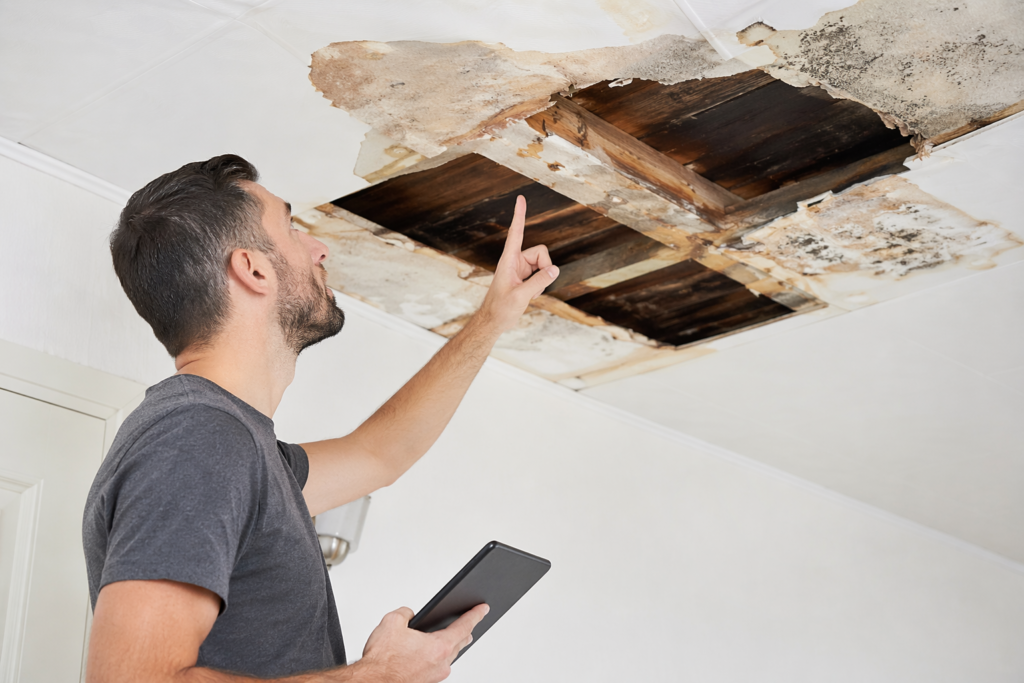
Water damage is one of the most common and costly issues homeowners deal with. Learning how to identify water damage early at home can help you avoid expensive repairs, protect your property value, and stop small leaks from turning into major structural problems. In many cases, water damage begins quietly behind walls, under floors, or above ceilings before visible signs appear. This guide explains the early warning signs, where hidden moisture problems often start, and what to do when you notice them.
Why You Should Identify Water Damage Early at Home
Water may seem harmless, but over time even a minor leak can affect major parts of your home, including:
- Drywall
- Wood framing
- Flooring systems
- Insulation
- Electrical wiring
- The foundation
If moisture remains untreated, mold can begin developing within 24 to 48 hours.
When you identify water damage early at home, you are more likely to:
- Prevent expensive repairs
- Protect structural components
- Reduce the risk of mold growth
- Maintain resale value
- Improve overall home safety
The earlier a problem is discovered, the easier it is to control and repair.
1. Stains on Walls or Ceilings
One of the most noticeable early signs of water damage is staining on walls or ceilings.
What to Watch For
- Yellow or brown marks
- Circular rings
- Dark patches
- Uneven paint tone
- Faded or shadowed areas
These marks often appear beneath bathrooms, near plumbing lines, or below roof sections.
Water stains usually expand over time. If a mark gradually grows larger, it often signals an active leak.
Why It Happens
Moisture enters the drywall and leaves mineral residue as it dries. Over time, this buildup changes the surface color and texture.
If you want to identify water damage early at home, inspect ceiling stains carefully and check the space above, including bathrooms or attic sections.
2. Peeling, Bubbling, or Cracked Paint
Painted surfaces respond quickly to trapped moisture.
You may notice:
- Bubbling paint
- Peeling sections
- Hairline cracks
- Blistered wall areas
These issues usually indicate moisture collecting behind the wall’s surface. As water builds up, pressure increases between the paint coat and the drywall, causing bubbling, peeling, or separation. It often reflects early signs of water damage, especially in humid spaces like kitchens and bathrooms.
3. Warped or Uneven Flooring
Floor materials can shift or distort when exposed to excess moisture.
Signs of Water Damage in Floors
- Hardwood boards lifting or cupping
- Laminate swelling
- Loose tiles
- Soft vinyl spots
- Damp carpet padding
If the floor feels uneven, soft, or unstable, hidden water damage may be present underneath.
Bathrooms, laundry rooms, and kitchens are especially vulnerable because of frequent water use.
4. Persistent Musty Odor
A strong musty smell is often an early warning sign of water damage.
Even when damage is not visible, odor can indicate hidden moisture. That damp scent often points to:
- Mold growth
- Mildew buildup
- Moisture trapped inside walls
- Water damage in basement spaces
If the smell becomes stronger after rainfall or plumbing use, further inspection is necessary.
Odor is often the first sign that moisture is building up out of sight.
5. Soft or Sagging Drywall
Drywall absorbs moisture quickly and begins to weaken.
Common signs include:
- Soft texture
- Swelling
- Surface cracking
- Sagging ceilings
If drywall feels fragile or crumbles under light pressure, moisture is likely present inside the wall.
Sagging ceilings require immediate attention because prolonged moisture exposure can cause sections to collapse.
6. Mold or Mildew Growth
Mold can develop rapidly once moisture is present.
Early Mold Indicators
- Black or green spotting
- White residue patches
- Fuzzy surface growth
- Mold forming around window frames
Mold frequently appears in areas with hidden water damage, including behind cabinets or inside storage spaces.
Visible mold almost always means an underlying moisture source needs attention.
7. Sudden Increase in Water Bills
An unexplained spike in your monthly water bill may signal a concealed leak.
Even small plumbing issues can waste a surprising amount of water over time.
Inspect common problem areas:
- Under sinks
- Behind toilets
- Around water heaters
- Near washing machine connections
Water damage under sink cabinets is common and often goes unnoticed until wood begins to swell.
Monitoring water usage is a practical way to detect hidden plumbing problems early.
8. Rust or Pipe Wear
Exposed pipes should remain dry and free from corrosion.
Rust or moisture on pipes may indicate:
- Slow leaks
- Ongoing condensation
- Excess indoor humidity
If pipes appear damp or show visible corrosion, further inspection is recommended.
Routine plumbing checks reduce the risk of unexpected water damage.
9. Foundation or Basement Wall Cracks
Basements frequently experience moisture issues because of their below-ground position.
Signs of Water Damage in Basement Areas
- Wall cracks
- Stained concrete
- Damp surfaces
- White mineral residue
- Water pooling after rain
Water entering through foundation cracks can gradually weaken structural materials.
Identifying basement moisture early helps prevent long-term structural concerns.
10. Dripping or Running Sounds in Walls
Unusual sounds inside walls should not be ignored.
If you hear dripping or water movement:
- Turn off all water fixtures
- Listen carefully for continued sound
If noise persists, a concealed pipe leak may be present.
Hidden plumbing leaks are among the most overlooked causes of early water damage.
11. Roof Leaks and Attic Moisture
Your roof serves as your home’s primary barrier against weather exposure.
How to Identify Water Damage Early at Home in the Attic
Check your attic for:
- Wet insulation
- Darkened wood
- Visible daylight through boards
- Damp or humid air
Roof leaks often appear as ceiling stains before exterior damage becomes obvious.
Regular attic inspections can prevent extensive interior repairs.
12. Condensation Around Windows
Moisture around window frames does not always mean a leak, but repeated condensation can cause damage.
Excess moisture may cause:
- Wood rot
- Mold development
- Drywall damage
If surfaces feel soft or paint begins to peel, moisture control may be needed.
Improving airflow and ventilation can help manage indoor humidity levels.
13. Swollen Cabinets and Interior Trim
Wood materials expand when exposed to water.
Signs include:
- Cabinet doors misaligning
- Warped bathroom vanities
- Swollen baseboards
- Separation between trim and walls
Subtle changes in wood alignment can signal early moisture exposure.
Where to Check to Identify Water Damage Early at Home
Monthly inspections can help detect water damage before it spreads.
Focus on:
- Sink cabinets
- Toilet bases
- Washing machine areas
- Water heater connections
- Basement corners
- Attic after storms
- Window frames
- Under dishwashers
Consistent monitoring reduces the likelihood of major damage.
Common Causes of Hidden Water Damage
Water damage often begins with small, manageable issues such as:
- Slow plumbing leaks
- Roof damage
- Poor exterior drainage
- Clogged gutters
- Appliance malfunctions
- Foundation cracks
- Air conditioning condensation
Many cases develop gradually, making early awareness critical.
What to Do If You Notice Early Water Damage
If you detect signs of water damage:
- Identify the source of moisture.
- Turn off the water supply when necessary.
- Dry the affected area thoroughly using fans or moisture-control equipment.
- Inspect nearby materials for spread.
- Monitor the area for continued staining or dampness.
Responding quickly limits repair costs and reduces the chance of mold growth.
How to Prevent Water Damage in Your Home
Preventive maintenance is far more affordable than major repairs.
- Inspect plumbing connections regularly
- Clean gutters twice annually
- Examine roof shingles
- Install leak detection devices
- Ensure proper grading around the foundation
- Replace aging appliance hoses
- Seal visible foundation cracks
These preventive measures make it easier to identify water damage early at home and control it before it worsens.
When to Call a Professional
Professional assistance may be necessary if:
- Water damage reappears repeatedly
- Mold spreads quickly
- Ceilings begin to sag
- Flooring becomes unstable
- Damage covers a large section
Specialized equipment such as moisture meters and thermal imaging tools can detect hidden leaks behind walls and flooring.
Final Thoughts on How to Identify Water Damage Early at Home
Water damage rarely begins as a major event. Most problems start small and gradually expand.
When you identify water damage early at home, you can cut repair costs and protect your home’s long-term stability.
Pay attention to:
- Wall stains
- Musty odors
- Uneven flooring
- Peeling paint
- Mold spots
- Rising water bills
Small warning signs often point to larger concerns beneath the surface.
Regular inspections and timely action greatly reduce the risk of extensive damage.
Your home represents a significant investment. Recognizing the warning signs of water damage helps keep it safe, dry, and structurally sound for years to come.