

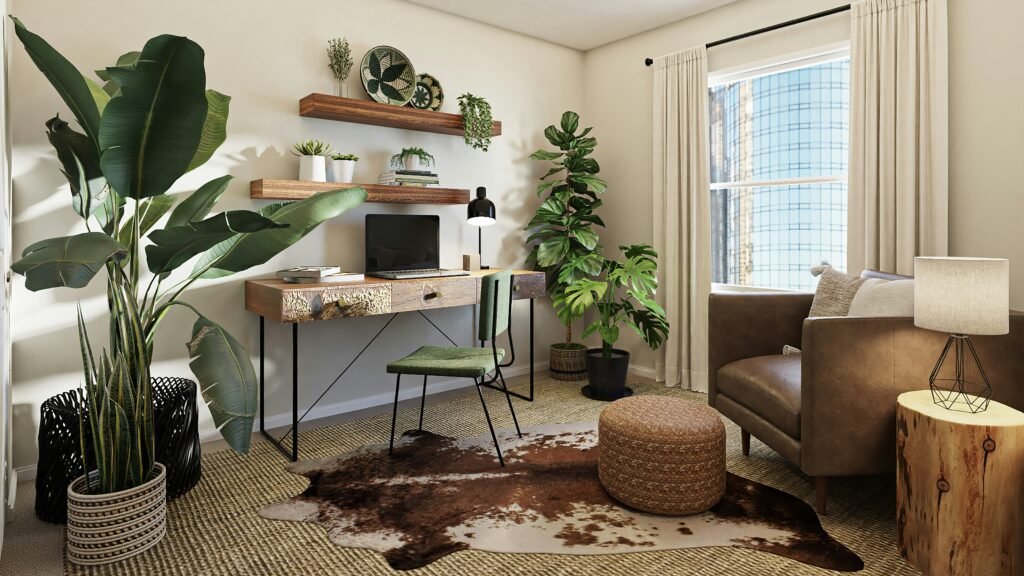
Interior design ideas for small rooms can help you transform even the tiniest space into a stylish and functional area. Living in a compact space doesn’t mean sacrificing comfort or style. In fact, with the right approach, small rooms can be just as functional and beautiful as larger ones.
Whether you have a compact apartment, a small bedroom, or a studio, the challenge is always the same: how do you maximize space without making it feel cluttered? The good news is that smart design choices can make any room look bigger, brighter, and more organized.
This guide covers 25 practical ideas plus expert tips to help you do exactly that.
Why smart design matters for small rooms
Small rooms demand intentional design. Every piece of furniture, every color, and every layout decision has an outsized effect on how the space feels.
- Creates an open, spacious feel
- Improves day-to-day functionality
- Reduces visual clutter and stress
- Enhances the overall look of the room
The key isn’t having more space, it’s using what you have more smartly.
Core principles
Less is more. Avoid filling your room with items you don’t use or need.
Think vertically. Use your walls for storage instead of the floor.
Prioritize multi-function. Every item should ideally serve more than one purpose.
Light equals space. The brighter your room, the larger it feels.
25 Interior Design Ideas for Small Rooms
1. Use Light Colors to Open Up Space
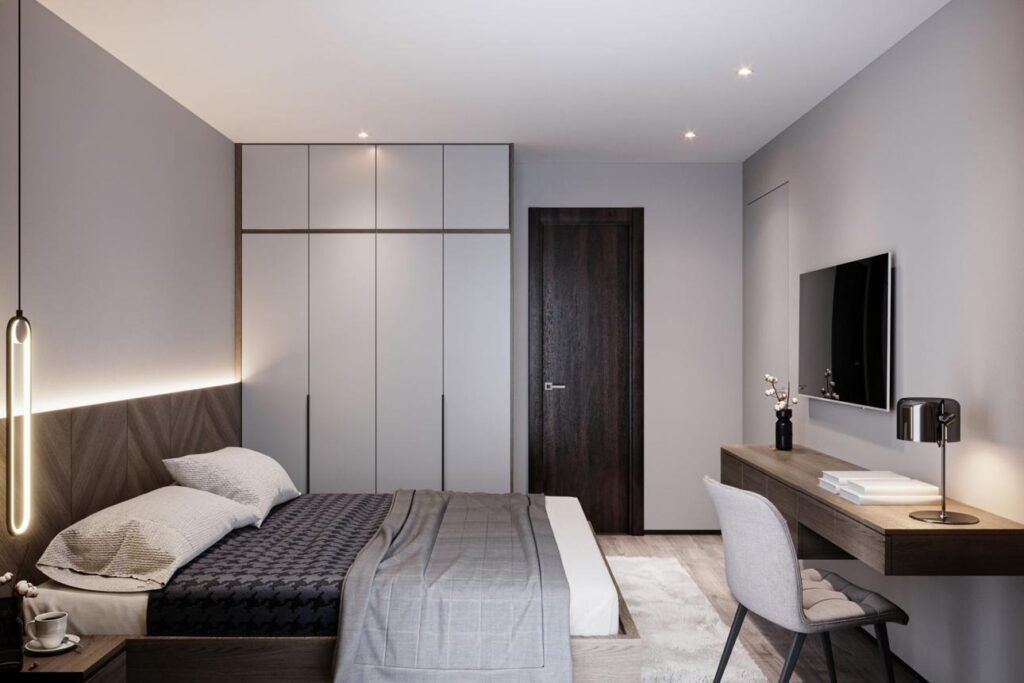
Light shades white, cream, soft pastels, reflect natural light and make a room feel larger and more airy. Use one base color and add subtle variations to avoid a flat look.
2. Add Mirrors for Visual Expansion
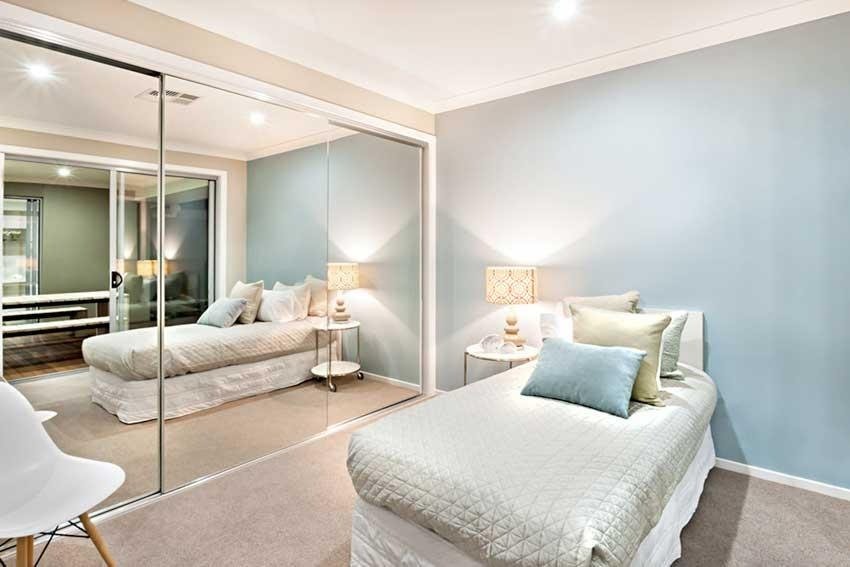
Mirrors create depth and bounce light around the room, making the space feel twice as large. For maximum effect, hang one directly opposite a window.
3. Choose Multi-Functional Furniture
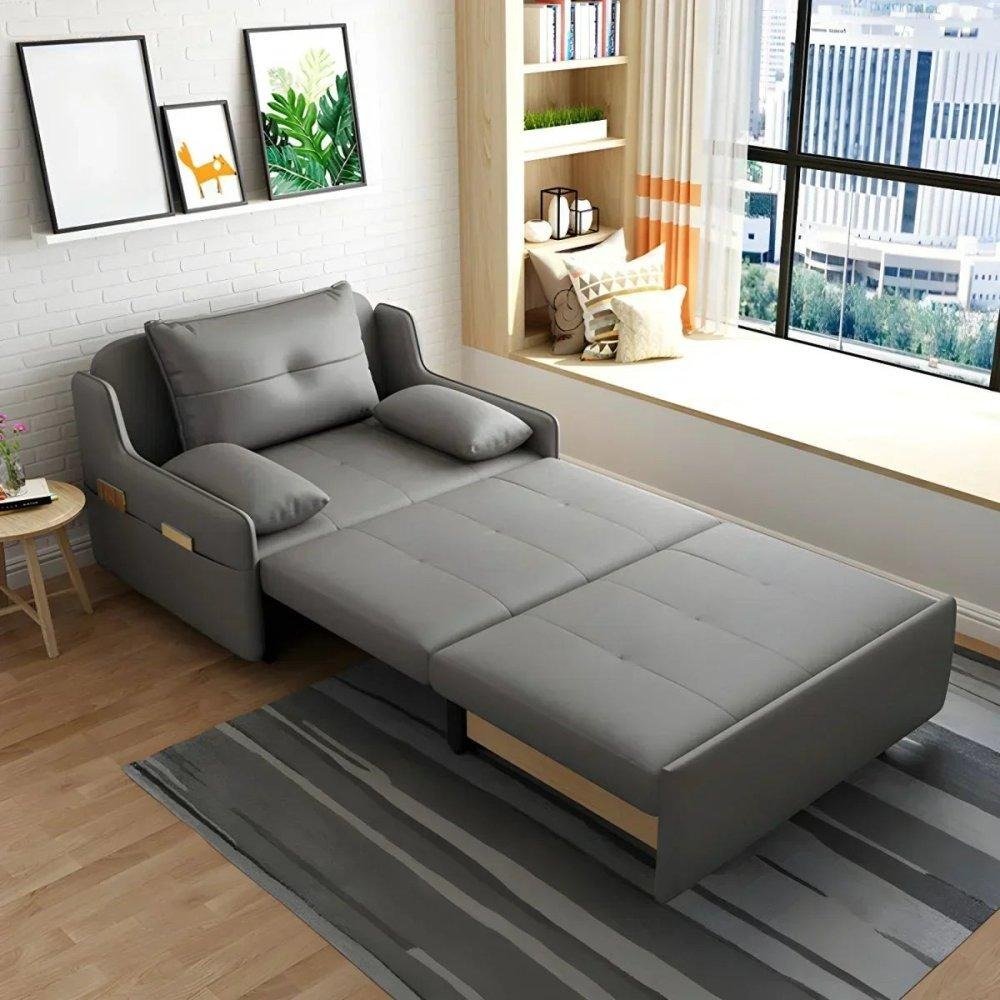
Pieces that pull double duty are essential in small spaces think sofa beds, storage ottomans, and foldable desks.
4. Go Vertical with Storage
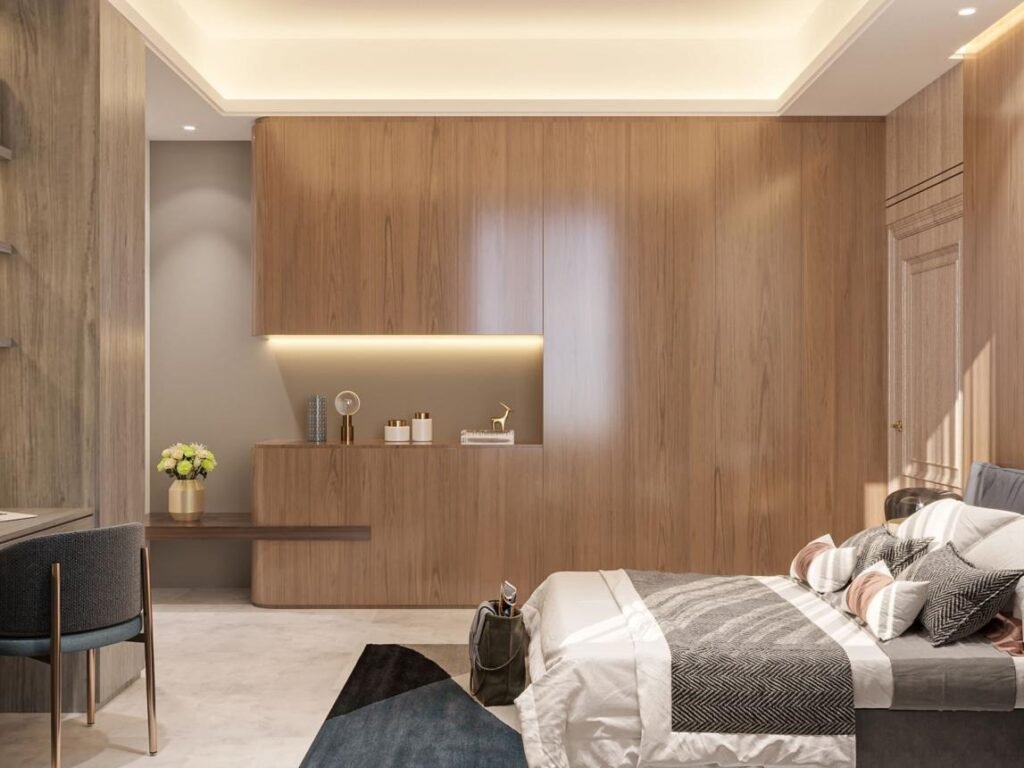
Free up floor space by thinking upward. Install floating shelves, tall cabinets, or wall hooks to keep things organized without adding bulk.
5. Keep Furniture Minimal
A crowded room feels smaller than it is. Stick to only the pieces you use daily, and resist the urge to fill every corner.
6. Use Sliding Doors
Unlike traditional swing doors, sliding doors don’t eat into your floor space—making them ideal for tight hallways and small bedrooms.
7. Opt for Foldable Furniture
Folding chairs, drop-leaf tables, and wall-mounted desks can be tucked away when not in use, instantly reclaiming floor space.
8. Use Rugs to Define Zones
In a studio or open-plan room, a well-placed rug can visually separate a sleeping area from a living or work zone, no walls required.
9. Add Smart Lighting
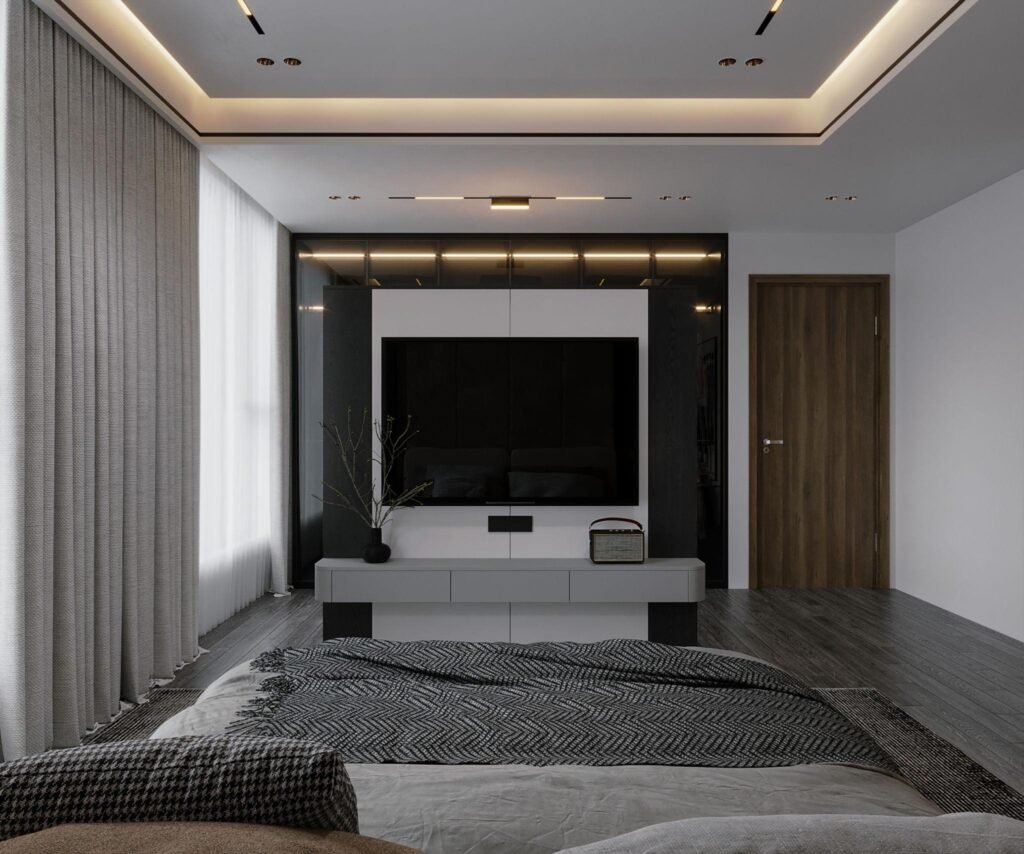
Relying on a single ceiling light makes a room feel flat. Combine ceiling lights, floor lamps, and wall sconces to create warmth and depth.
10. Use Built-in Storage
Built-ins tuck neatly into walls and eliminate the clutter of freestanding shelves or cabinets, giving the room a clean, seamless look.
11. Choose Furniture with Legs
Sofas, beds, and chairs raised off the floor create a sense of openness by letting light pass underneath.
12. Use Glass or Acrylic Furniture
Transparent materials like a lucite coffee table or glass dining table, take up visual space without making the room feel crowded.
13. Declutter Regularly
Clutter visually shrinks a room instantly. A simple rule: if you haven’t used something in months, it probably doesn’t need to be there.
14. Use Wall-Mounted Desks
A fold-down wall desk gives you a functional workspace that disappears completely when you’re done perfect for small home offices.
15. Add Plants Smartly
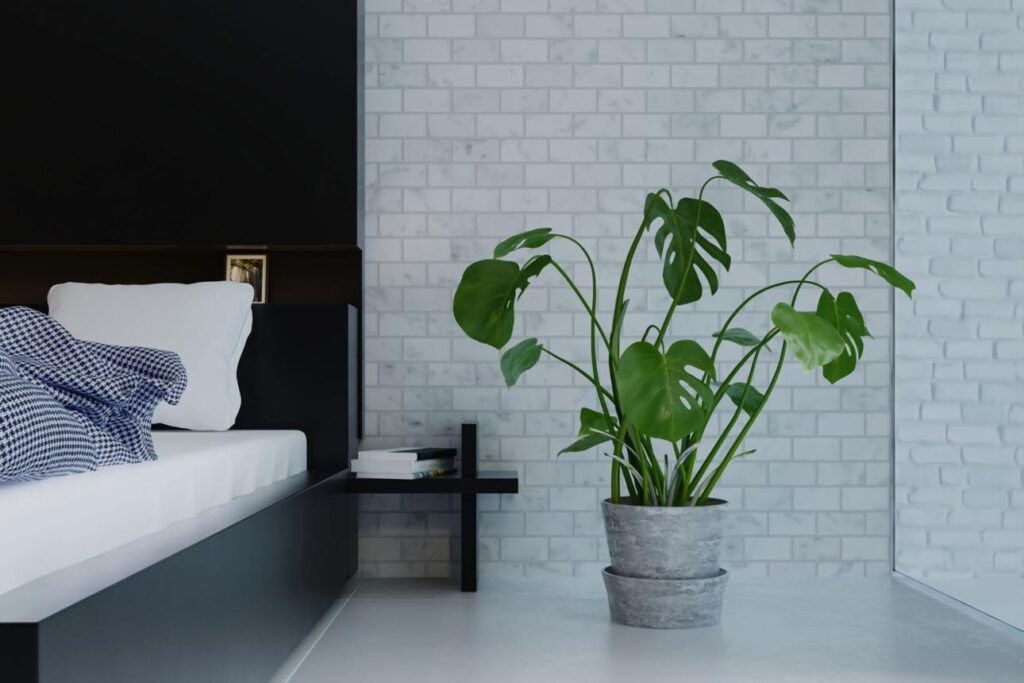
A few well-placed plants bring life and color without taking up much space. Hang them, put them on shelves, or choose a single statement plant.
16. Hang Curtains Higher
Mounting curtain rods close to the ceiling rather than just above the window draws the eye upward and makes the room feel taller.
17. Choose Compact Furniture
Oversized sofas and bulky wardrobes overwhelm small rooms. Look for scaled-down pieces designed with smaller spaces in mind.
18. Use Hidden Storage
Under-bed drawers, ottomans with storage lids, and hollow bed frames keep your belongings out of sight without cluttering the room.
19. Keep a Monochrome Theme
Using similar tones throughout the room removes visual breaks and creates a seamless, spacious look.
20. Use Corner Spaces
Corners are often wasted. A corner shelf, a small armchair, or a compact desk can turn dead space into something useful.
21. Install Wall Hooks
A row of hooks near the entrance can hold bags, coats, and accessories—keeping surfaces clear and the floor uncluttered.
22. Use Minimal Decor
More decorations mean more visual noise. Choose a few meaningful pieces rather than covering every surface.
23. Add One Statement Piece
Instead of many small items competing for attention, choose one strong focal point—a bold mirror, a standout chair, or a piece of art.
24. Optimize Furniture Layout
Sometimes the same furniture arranged differently can dramatically improve the flow and feel of a room. Experiment before committing.
25. Use Smart Technology
Compact smart lighting, voice-controlled blinds, and multi-device charging stations keep your room functional without adding visual clutter.
Advanced Tips to Maximize Small Room Space in Style
Once you’ve covered the basics, these strategies can take your small room to the next level.
1. Use the “Zone Design” Strategy
Divide the room into distinct areas sleeping, working, relaxing even without physical dividers. This makes the space feel purposeful rather than cramped.
2. Stick to a Cohesive Color Palette
Limit yourself to 2–3 main colors. Too many tones make a space feel chaotic rather than curated.
3. Use Large Decor Instead of Many Small Items
One large artwork looks far more intentional—and less cluttered—than a collection of small pieces.
4. Keep Floor Space Visible
The more floor you can see, the bigger the room feels. Avoid rugs that are too large or furniture that sits directly on the floor.
5. Use Lighting to Create Depth
Directed lighting a floor lamp in a corner, a wall light beside the bed draws attention to different parts of the room and adds dimension.
6. Invest in Custom Furniture
A built-to-measure piece can make use of every centimeter, fitting perfectly into awkward alcoves or under sloped ceilings.
7. Use Reflective Surfaces
Glossy finishes on furniture, tiles, or even paint reflect light and create a subtle sense of added space.
8. Maximize Natural Light
Swap out heavy drapes for sheer curtains or blinds that let sunlight in while still providing privacy.
9. Think Like a Minimalist
Be deliberate about what enters the space. If it doesn’t serve a clear purpose or bring you genuine joy, it probably doesn’t belong.
10. Rearrange Regularly
Sometimes simply shifting your furniture layout can make a room feel fresh and more spacious—no new purchases required.
Frequently Asked Questions (FAQ)
Q.1 How can I make a small room look bigger?
Use light colors, mirrors, minimal furniture, and proper lighting to create an open feel.
Q.2 What furniture is best for small rooms?
Multi-functional, compact, and foldable furniture works best.
Q.3 Is minimalism good for small spaces?
Yes, minimalism reduces clutter and maximizes usable space.
Q.4 How do I decorate a small room without clutter?
Stick to a simple color palette, use fewer decorations, and focus on functionality.
Conclusion
Designing a small room well is about making smart, intentional choices not about having more space. By combining space-saving furniture, clever storage solutions, and thoughtful design, you can turn even the smallest room into something stylish and functional.
Start with one or two changes swap in a lighter color, add a mirror, or clear some clutter and you’ll notice the difference right away.