

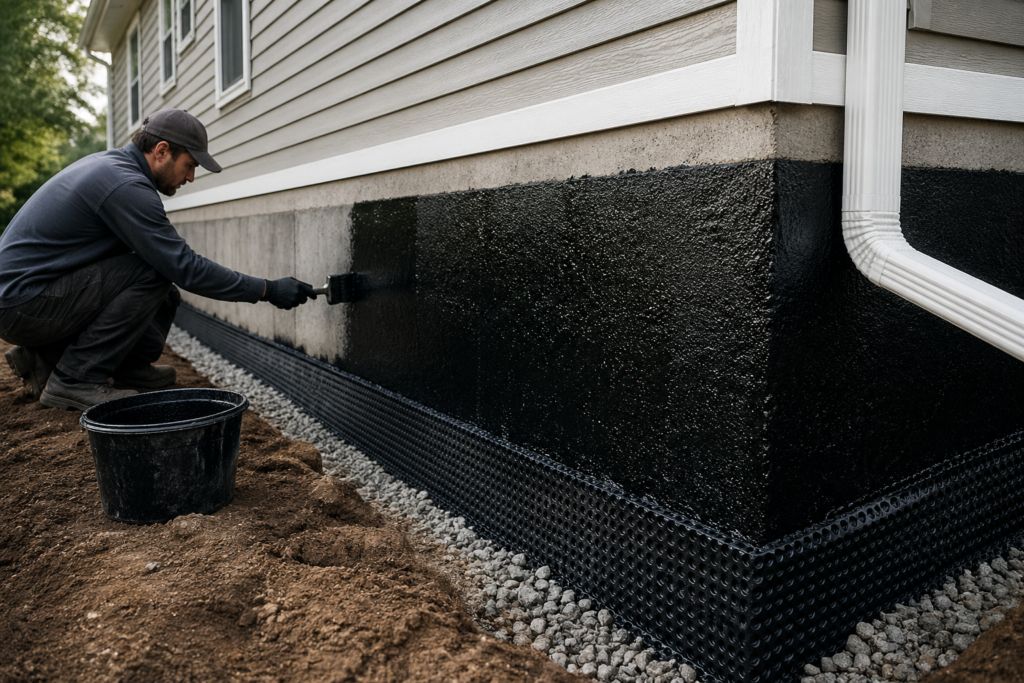
Waterproofing your home is one of the smartest ways to prevent leaks, mold, and costly water damage before problems begin.
Water is one of the most powerful forces that can slowly damage a home. Many homeowners think about waterproofing only after they see a leak, a damp basement, or mold on the walls. Unfortunately, by the time these signs appear, water may have already caused structural damage inside the home.
This is why waterproofing your home is one of the most important steps you can take to protect your property. A properly waterproofed house prevents rainwater, groundwater, and moisture from entering the structure. When water stays outside, your walls stay strong, and your basement stays dry. This lowers the risk of mold and rot.
In this guide, we will explore the most effective home waterproofing methods. You will learn how water gets into homes, how to stop it, and how to protect your property for years.
Why Waterproofing Your Home Is So Important
Many people underestimate how destructive water can be inside a house. At first, a small amount of moisture may not seem like a serious problem. A small stain on the wall or a slightly damp basement floor might appear harmless. However, over time that moisture can begin to weaken building materials and create conditions where mold thrives.
When water enters your home, it can damage drywall, wood framing, insulation, flooring, and even electrical systems. Wooden structures can rot, metal parts can rust, and mold spores can spread through the air. This not only damages the property but can also create health issues for the people living inside.
Waterproofing acts as a protective system that blocks water before it has the chance to enter your home by:
- Sealing cracks to prevent moisture entry
- Improving drainage to redirect water away
- Protecting weak areas like basements and foundations
These steps help prevent costly repairs in the future.
How Water Usually Enters a Home
Before learning waterproofing methods, it is important to understand how water enters a house.
Foundation Cracks
Small cracks in concrete foundations form over time due to soil movement or settling. During heavy rain, water can seep through these cracks into the basement.
Poor Drainage
If water collects around the foundation instead of flowing away, it creates pressure that pushes moisture into basement walls.
Roof Damage
Missing shingles, damaged flashing, or clogged gutters can allow rainwater to enter the structure of the home.
Plumbing Leaks
Hidden pipe leaks behind walls or under floors can slowly spread moisture without being noticed.
Exterior Waterproofing: The First Line of Defense
Exterior waterproofing stops water before it enters the home. It is the most effective long-term protection method.
Improve Drainage Around the Foundation
Proper drainage is essential for waterproofing your home.
- Ensure soil slopes away from the house
- Keep gutters clean and unclogged
- Extend downspouts several feet away from the foundation
These steps help prevent water from collecting near the structure.
Sealing Foundation Cracks
Even small cracks can allow water inside.
Use waterproof sealants or epoxy fillers to:
- Fill cracks completely
- Bond with concrete
- Block future water entry
Applying Exterior Waterproof Coatings
Exterior coatings create a protective barrier on foundation walls.
They:
- Block moisture penetration
- Strengthen wall protection
- Work best with proper drainage systems
Interior Waterproofing Methods
Interior waterproofing helps control moisture that enters despite exterior protection.
Sealing Basement Walls
Basement walls are highly vulnerable to moisture.
Applying waterproof paint or sealants:
- Blocks moisture from concrete
- Reduces mold growth
- Keeps interior surfaces dry
Installing a Sump Pump
A sump pump removes collected water from basements.
It:
- Activates automatically when water rises
- Pumps water outside through a pipe
- Prevents basement flooding
Improving Air Circulation in Damp Areas
Humidity can also cause water problems indoors.
Improve airflow by:
- Using fans and vents
- Running dehumidifiers
- Increasing ventilation in basements and bathrooms
Protecting Your Roof and Gutters
Your roof is the first barrier against rain.
To protect it:
- Inspect roof regularly for damage
- Replace missing shingles quickly
- Clean gutters several times a year
Proper roof maintenance prevents water from entering your home structure.
Landscaping and Waterproofing
Landscaping also affects water control around your home.
To reduce water risk:
- Keep plants away from foundation walls
- Avoid soil buildup near the house
- Consider French drains for water redirection
Good landscaping helps keep the foundation dry and stable.
Final Thoughts
Waterproofing your home is not just about fixing leaks after they appear. It is about building a complete protection system that keeps moisture out from the start.
By improving drainage, sealing cracks, maintaining the roof, and controlling indoor humidity, you can significantly reduce water damage risks.
A dry home is safer, healthier, and more valuable. Regular maintenance and proper waterproofing will protect your property for many years to come.