

Introduction
If you’re thinking about updating your home’s exterior, one of the first questions that comes to mind is the cost to side a house. And honestly, it’s a smart question to ask early.
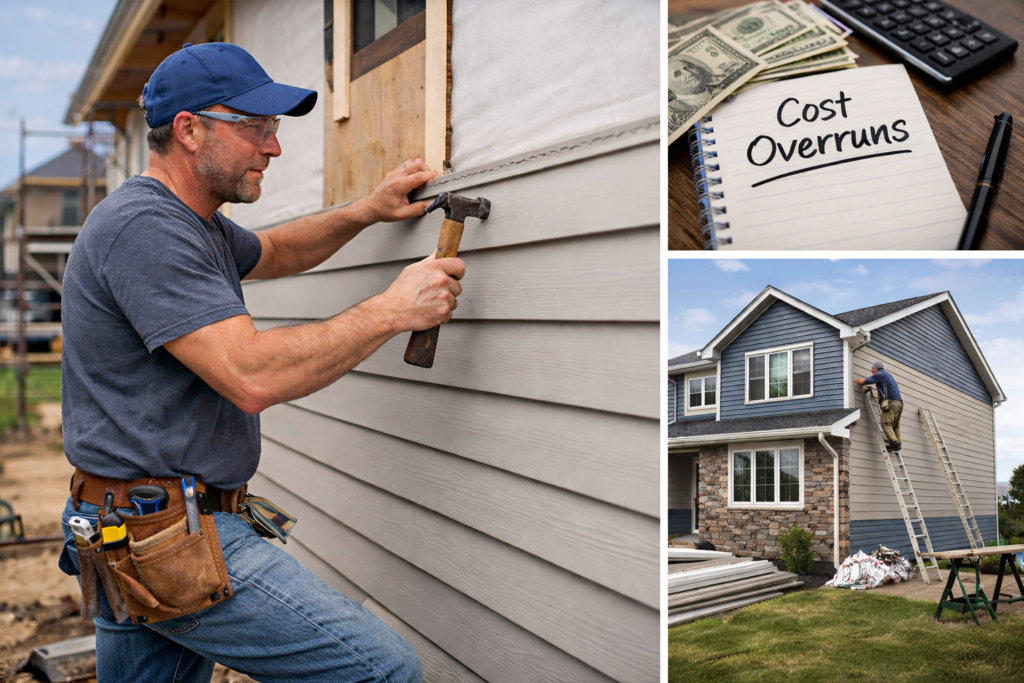
A lot of homeowners jump into siding projects thinking it’s just about picking a color and hiring a contractor. But once the work starts, unexpected costs show up, timelines stretch, and the budget quickly gets out of control.
Siding is more than just looks. It protects your home from weather, helps with insulation, and even increases your property value. But if you don’t plan it properly, it can turn into a stressful and expensive experience.
This guide will walk you through everything in simple terms. You’ll learn how much does it cost to side a house, what really affects the price, and how to avoid mistakes that cost homeowners thousands every year.
Explanation
Average Cost to Side a House
Let’s keep it simple.
The average cost to side a house in the US usually falls between:
- $8,000 and $25,000 for most homes
- Around $5 to $15 per square foot installed
That’s a big range, and there’s a reason for that. Every home is different. Size, materials, labor, and even location all play a role.
Cost by Home Size
Here’s a quick way to think about it:
- Small home (around 1,500 sq ft): $7,500 to $18,000
- Medium home (around 2,000 sq ft): $10,000 to $25,000
- Cost to side a 2 story house: $12,000 to $30,000
Two-story homes almost always cost more. There’s more setup, more labor, and more time involved.
Material Costs Explained
The material you choose is where most of your money goes. It also affects how your home looks, how long the siding lasts, and how much maintenance you’ll deal with later.
Vinyl Siding
This is the go-to option for most homeowners.
- Cost to vinyl side a house: $5 to $10 per square foot
- Average cost to vinyl side a house: $10,000 to $15,000
Why people like it:
- Affordable
- Low maintenance
- Easy to install
Real-life example:
A homeowner replaced old siding on their 1,800 sq ft home with vinyl and spent about $11,500. Years later, they still haven’t had to repaint or do major repairs.
What to watch for:
- Can crack in very cold weather
- May fade after many years
Fiber Cement Siding
If you want something tougher, this is a solid choice.
- Cost: $8 to $15 per square foot
- Total: $14,000 to $25,000
Why it stands out:
- Very durable
- Fire-resistant
- Looks like wood without the hassle
Real-life example:
In areas prone to wildfires, many homeowners pick fiber cement for peace of mind, even if it costs more upfront.
Wood Siding
This is all about appearance.
- Cost: $10 to $18 per square foot
- Total: $15,000 to $30,000
Why people choose it:
- Natural and warm look
- Adds character to a home
But here’s the reality:
Wood needs regular care.
Real-life example:
A homeowner installed cedar siding and loved the look, but now spends money every few years on sealing and repainting.
Metal or Aluminum Siding
Not as common, but still useful in certain situations.
- Cost: $7 to $12 per square foot
Why it works:
- Strong and weather-resistant
- Low maintenance
Downside:
- Can dent
- Limited style options
Visual Examples of Siding Types
Here are realistic examples to help you picture the differences.
When you look at these:
- Vinyl siding looks clean and uniform
- Fiber cement gives a more solid, painted look
- Wood siding has natural texture
- Metal siding feels modern and sharp
A good tip is to drive around your neighborhood and see what others have used. It helps more than looking at catalogs.
Labor Costs
Labor is a big part of your total cost.
- Usually 40 to 60 percent of the total
- Around $2 to $5 per square foot
For two-story homes or complex designs, it can go even higher.
Hidden Costs
This is where many homeowners get surprised.
Extra costs can include:
- Removing old siding
- Fixing damaged walls
- Adding insulation
- Permit fees
- Cleanup
These can easily add 10 to 25 percent to your total bill.
Prevention
Avoid Costly Mistakes
Most siding problems don’t come from bad luck. They come from decisions that could have been avoided.
Choosing the Cheapest Option
It’s tempting to go with the lowest quote.
But cheap often means:
- Lower quality materials
- Poor installation
- No proper warranty
Better approach:
Look at the full value, not just the price.
Ignoring What’s Underneath
New siding won’t fix old problems.
Real example:
A homeowner skipped inspection and later found water damage behind the walls. Fixing it cost thousands and delayed the project.
Always check the structure first.
Hiring Too Quickly
Don’t rush this part.
Take time to:
- Compare at least three contractors
- Read reviews
- Ask for past work
A good contractor makes a huge difference.
Not Planning for a Two-Story Home
The cost to side a two story house is always higher.
Why:
- More labor
- Safety equipment
- Longer timeline
Plan for extra costs from the start.
Choosing the Wrong Material
Your environment matters more than you think.
Examples:
- Hot areas can affect vinyl
- Humid areas can damage wood
- Storm-heavy regions need stronger materials
Skipping the Contract
Always get everything in writing.
Include:
- Total cost
- Timeline
- Materials
- Warranty
This protects you if anything goes wrong.
Step-by-Step Plan for Homeowners
If you want a smooth project, follow this simple plan.
Step 1 Measure Your Home
Start with the basics.
Measure your exterior walls so you know how much siding you need. This helps you understand quotes better.
Step 2 Set Your Budget
Be realistic.
Set your budget and keep an extra 10 to 20 percent aside for unexpected costs.
Step 3 Choose Your Material
Think about:
- Budget
- Maintenance
- Climate
For most people, vinyl is the easiest choice. But if you want durability or a premium look, explore other options.
Step 4 Get Multiple Quotes
Never settle for just one.
Compare:
- Price
- Timeline
- What’s included
Step 5 Inspect Your Home
Before installation:
- Check for damage
- Fix any issues
- Prepare the surface
This step saves you from future headaches.
Step 6 Finalize the Contract
Make sure everything is clear and written down.
Step 7 Stay Involved
You don’t need to watch every minute, but check progress regularly.
Step 8 Final Inspection
Before making the final payment:
- Walk around your home
- Check the finishing
- Make sure everything looks right
FAQ
How much does it cost to side a house
The cost to side a house usually ranges from $8,000 to $25,000 depending on size, material, and labor.
How much does it cost to vinyl side a house
The cost to side a house with vinyl typically falls between $6,000 and $18,000.
What is the average cost to vinyl side a house
The average cost to vinyl side a house is around $10,000 to $15,000.
How much does it cost to re side a house
The cost to re side a house is higher because it includes removing old siding and fixing any issues, usually between $10,000 and $30,000.
Is siding worth it
Yes. It improves your home’s value, protection, and energy efficiency.
Final Thoughts
Understanding the cost to side a house is really about being prepared.
When you take the time to plan, choose the right materials, and avoid common mistakes, the process becomes much easier. More importantly, you avoid wasting money and end up with results that last for years.
Think of siding not just as an expense, but as an investment in your home’s future.